Season 1
26 episodes · 2017
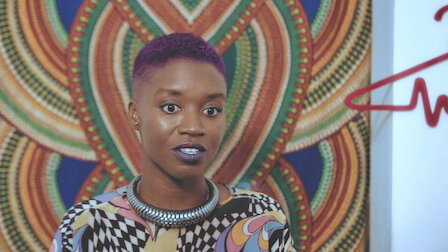
1Loo Nascimentofinale
Designer, model and blogger Loo Nascimento talks about her life and work, and the value of self-understanding as a member of the African diaspora.
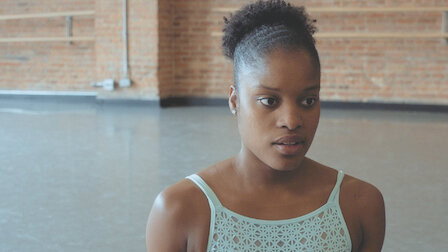
2Ingrid Silva
Ingrid Silva, a dancer with the Dance Theatre of Harlem, discusses the differences between Brazil and the U.S. in the fight against racism.
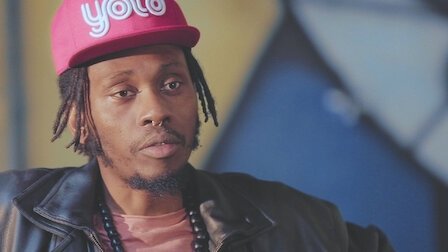
3Rincon Sapiência
Rap artist Rincon Sapiência discusses his passion for Black culture including capoeira, reggae, and African religion, and it influences his music.
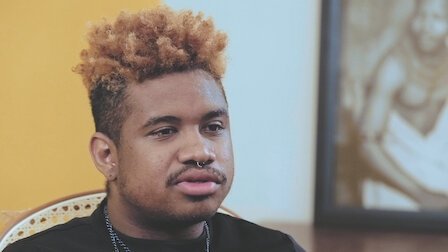
4Batekoo
The Batekoo organizers talk about a movement that centers marginalized and urban culture, collective strengthening, music, dance, and the Black body.
5Gabriel Martins
Filmmaker Gabriel Martins, whose films have appeared at more than 50 festivals worldwide, talks about the importance of Black characters.
6Benjamin Abras
Benjamim Abras, a multifaceted artist, talks about awareness through art and the role of Black culture from the perspective of contemporary art.
7Daniele DaMata
Makeup artist and entrepreneur Dani DaMata believes that her work is part of an expanding network. Discover how makeup can empower Black women.
8Tasha & Tracie Okereke
Tracie and Tasha, twin DJs and producers, talk about how their interest in fashion led to a blog that explores research on Black culture.
9Mariana de Matos
Mariana de Matos believes she became a poet because her feelings were not repressed as a child; now she uses her art to reveal colonial perspectives.
10André Novais
Filmmaker André Novais was nominated for two prizes in Cannes. Operating on the periphery, he uses friends and family as actors in his films.
11Mahal Pita
Mahal Pita is a music producer and designer. Learn about his career and how he sees himself as an instrument, a frontier, and a bridge between worlds.
12Grace Passô
Actress and director Grace Passô knows her theater resists conventional narratives; she creates her own texts that represent herself and her friends.
13Thamyra Thâmara
Thamyra Thâmara is a journalist, photographer and cultural creator. She depicts creative solutions to problems created by the state's failures.
14Xenia França
Xenia França found a form of expression in music that she had never expected. She gathers stories about ancestry and Black women's identity.
15Criola
Criola is a graffiti artist and fashion school graduate. She tells how valuable rap and hip-hop were in her studies and how graffiti became an escape.
16Dani Ornellas
Dani Ornellas is a film, theater, and TV actress. See how her choice of characters and her work has transformed her views on the issues of race.
17Anelis Assumpção
Anelis Assumpção is a singer-songwriter. She talks about her musical journey and the importance of preserving the historical legacy of Black culture.
18Magá Moura
Magá Moura, YouTuber and blogger, talks about becoming a fashion icon and the importance of Black representation in predominantly white spaces.
19Tássia Reis
Singer and composer Tássia Reis believes that people identify with what she has to say and that there is a demand for Black artists in Brazil.
20Liniker
Singer and composer Liniker traces her musical journey, exploring the places that enabled her to be an artist and learn how to express herself.
21Yasmin Thayná
Researcher and filmmaker Yasmin Thayná talks about how her work reconnected her with her ancestry and addresses the political situation of Black women.
22Raquel Virgínia
Raquel Virginia, a singer-songwriter, talks about being a Black trans woman, the importance of being part of a movement, and how this affects her life.
23Juliana Luna
Artist and cultural ambassador Juliana Luna sees self-care as a form of militant resistance, allowing one to take care of oneself and the world.
24Erica Malunguinho
Erica Malunguinho tells us about her journey and how she founded "Aparelha Luzia," a meeting place and cultural space developed for Black creators.
25Diane Lima
Curator Diane Lima researches a project about the work of Black artists, revealing a connection between ancestry and the subjectivity of bodies.
26Karol Conká
Rapper and presenter Karol Conká has become known for the expression "Tombamento," which symbolized an entire Black generation.