Season 1
14 episodes · 2014
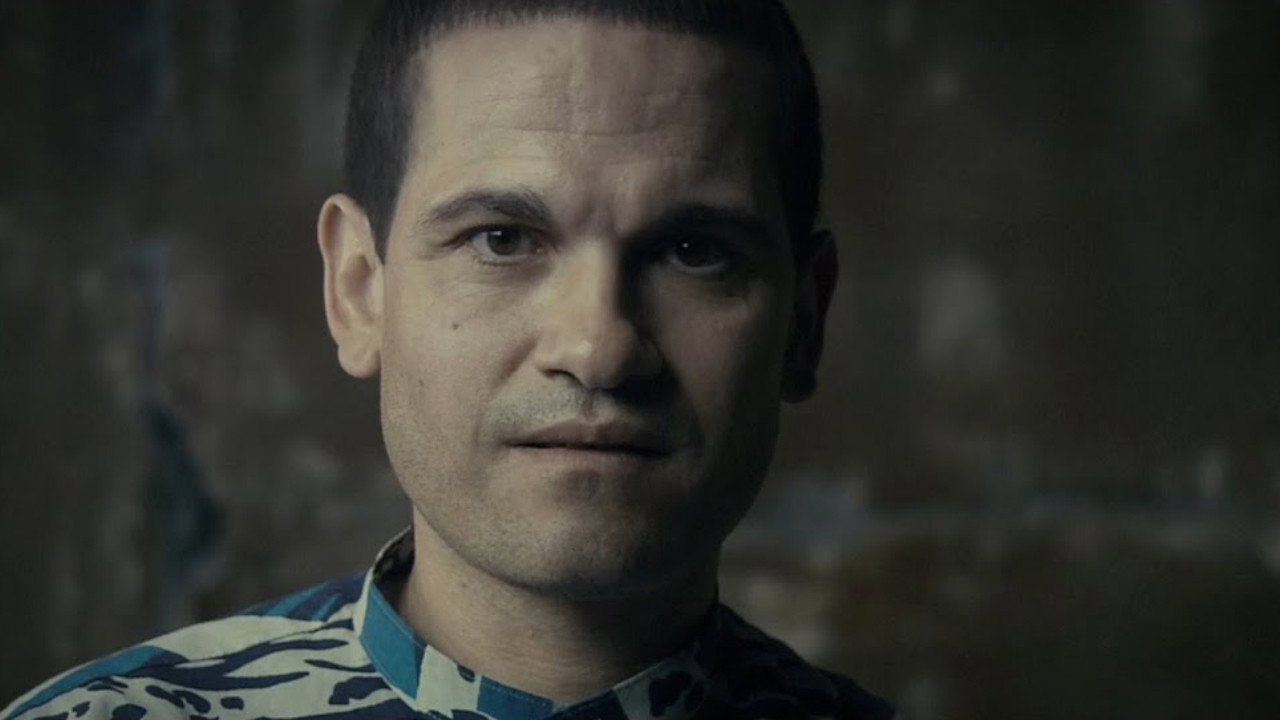
1Mother (2009) - Telephoto Profile Shots
A brief analysis of one aspect of Bong Joon-ho's great film Mother (2009). WARNING: MAJOR SPOILERS. For educational purposes only.
2The Imposter (2012) - Looking into the Lens
A brief analysis of Bart Layton's The Imposter (2012). WARNING: SPOILS EVERY GODDAMN THING.
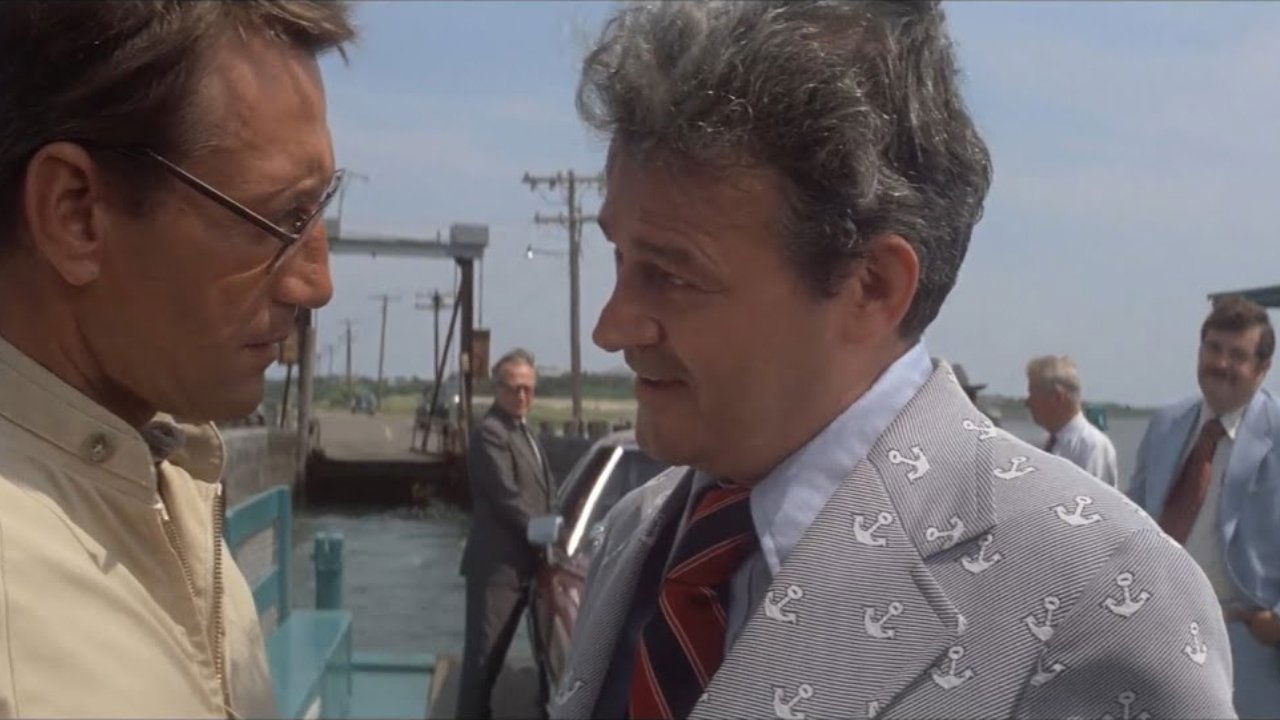
3The Spielberg Oner - One Scene, One Shot
One overlooked aspect of Spielberg is that he's actually a stealth master of the long take. From Duel to Tintin, for forty years, he has sneakily filmed many scenes in a single continuous shot.
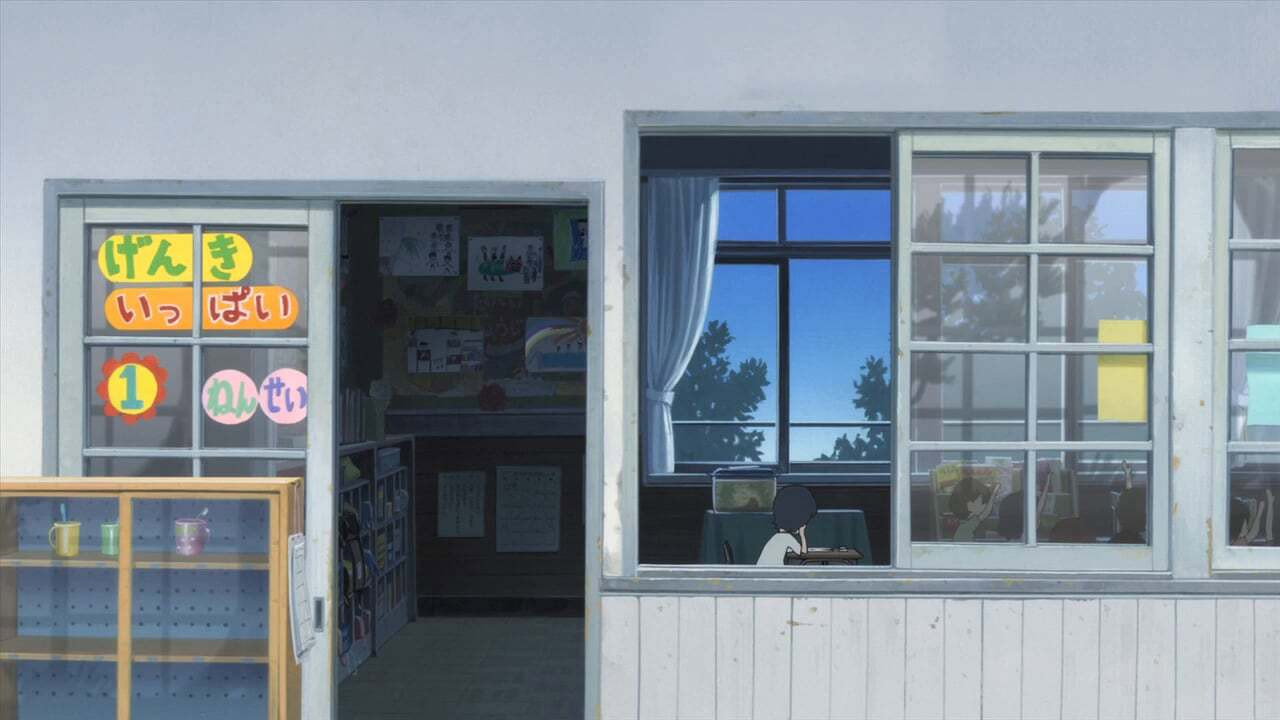
4Wolf Children (2012) - The Lateral Tracking Shot
Looking for a unique lateral tracking shot? Consider this example from Mamoru Hosoda's excellent film Wolf Children (2012). NO SPOILERS.
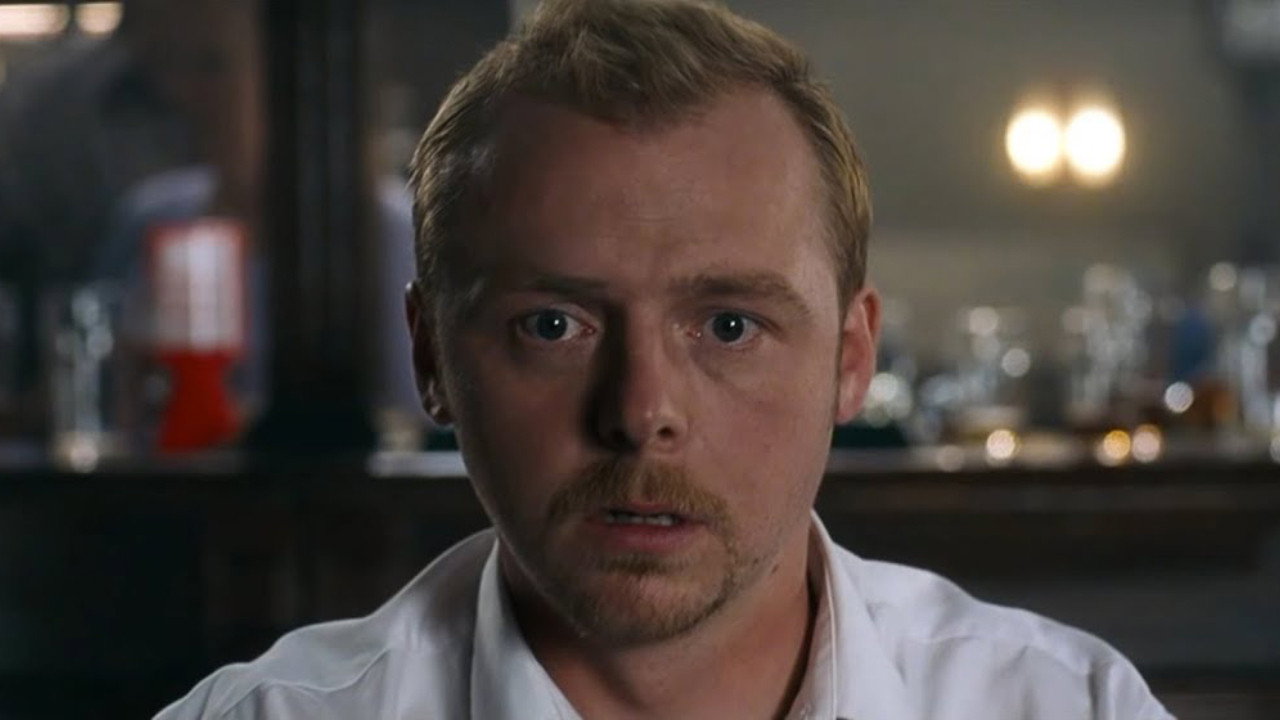
5Edgar Wright - How to Do Visual Comedy
If you love visual comedy, you gotta love Edgar Wright, one of the few filmmakers who is consistently finding humor through framing, camera movement, editing, goofy sound effects and music. This is an analysis and appreciation of one of our finest comedic voices.
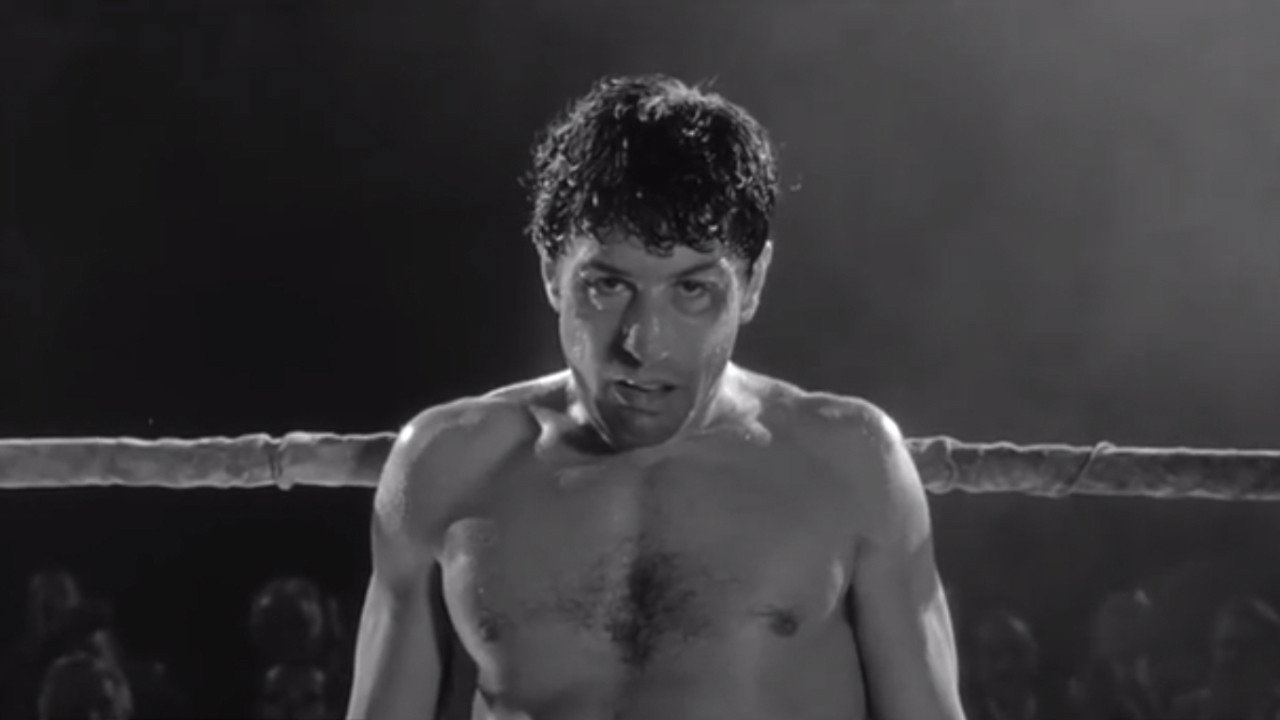
6Martin Scorsese - The Art of Silence
Even though Martin Scorsese is famous for his use of music, one of his best traits is his deliberate and powerful use of silence. Take a glimpse at fifty years of this simple technique from one of cinema's masters. SPOILERS for Shutter Island (2010), Superman (1978) and Man of Steel (2013)
7Michael Bay - What is Bayhem?
There are filmmakers we love and then there's Michael Bay. Even if you dislike him (as I do), Bay has something valuable to teach us about visual perception. This is an exploration of "Bayhem" — his style of camera movement, composition and editing that creates something overblown, dynamic and distinct.
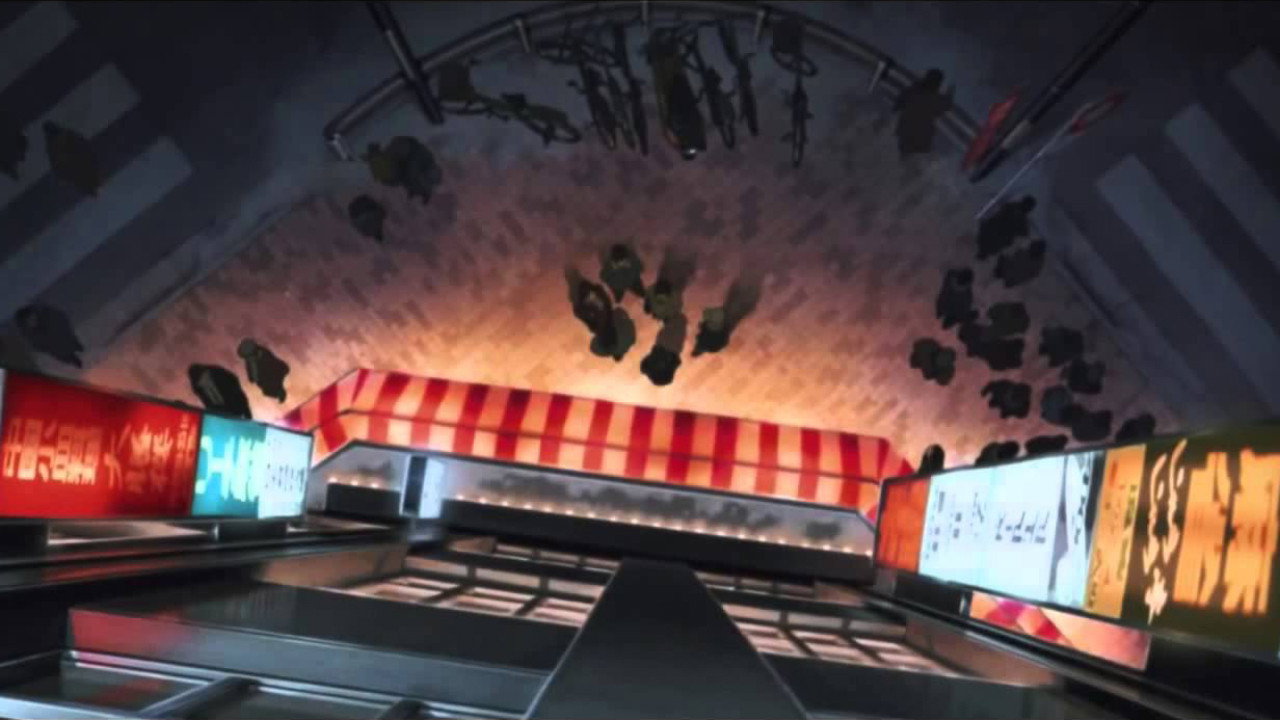
8Satoshi Kon - Editing Space & Time
Four years after his passing, we still haven't quite caught up to Satoshi Kon, one of the great visionaries of modern film. In just four features and one TV series, he developed a unique style of editing that distorted and warped space and time. Join me in honoring the greatest Japanese animator not named Miyazaki.
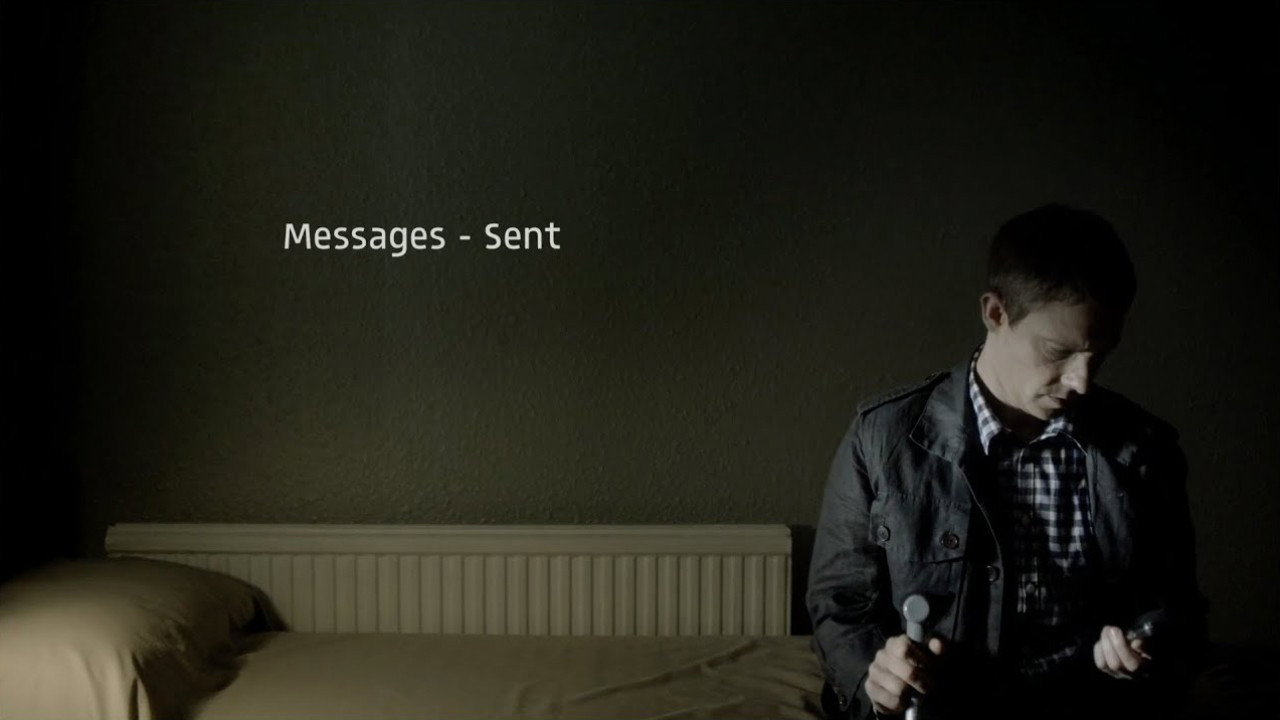
9A Brief Look at Texting and the Internet in Film
Is there a better way of showing a text message in a film? How about the internet? Even though we’re well into the digital age, film is still ineffective at depicting the world we live in. Maybe the solution lies not in content, but in form.
10Robin Williams - In Motion
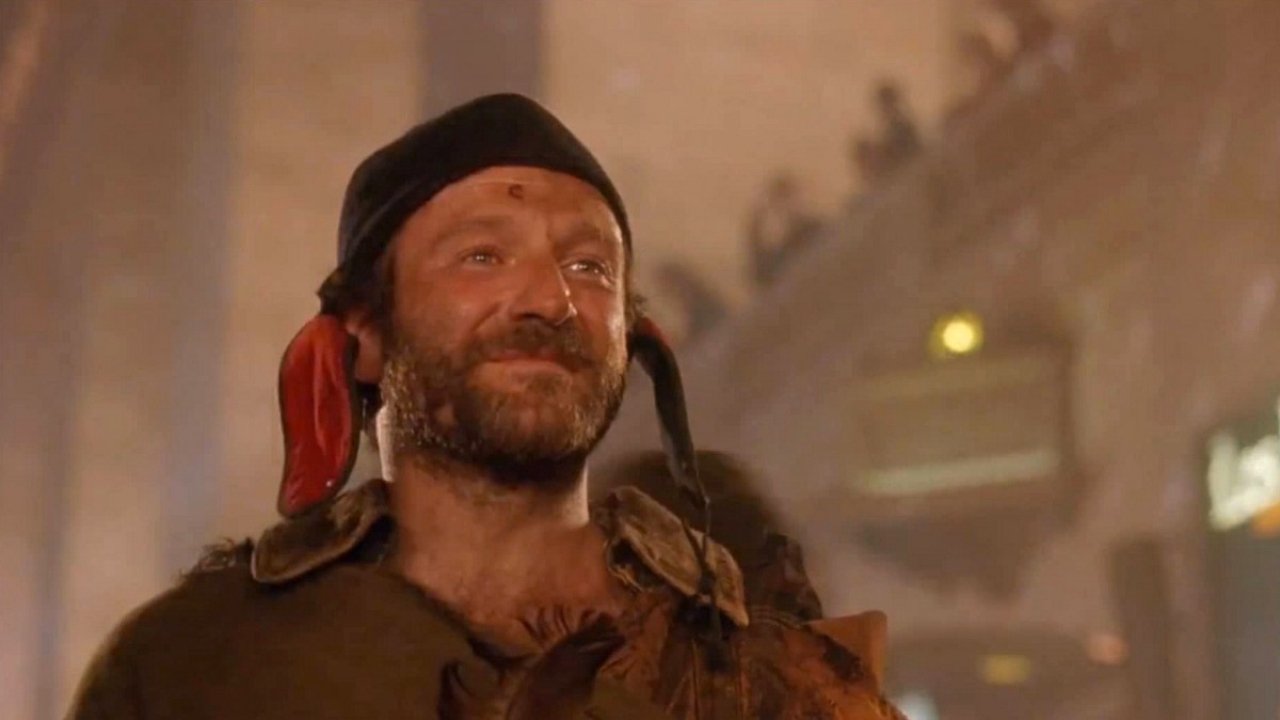
Robin Williams was a genius, but he was also a dedicated craftsman who explored how an actor could express character through movement. Join me in honoring this tiny facet of his work.
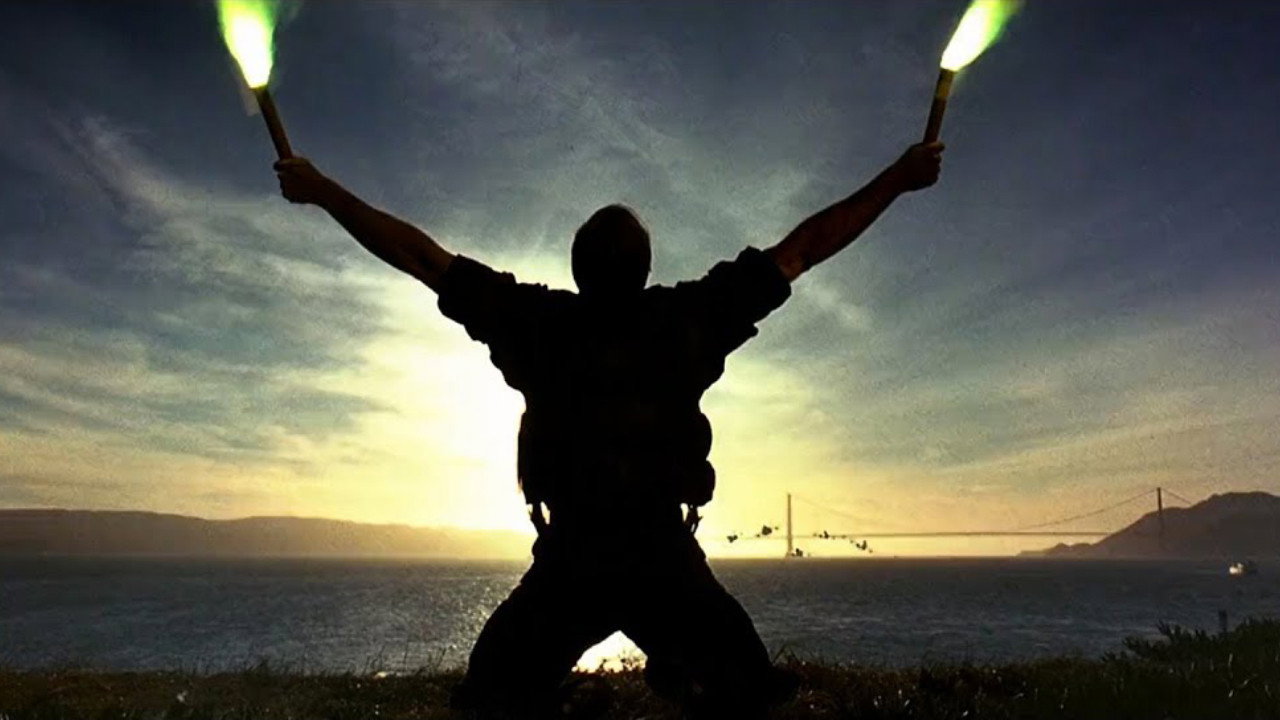
11David Fincher - And the Other Way is Wrong
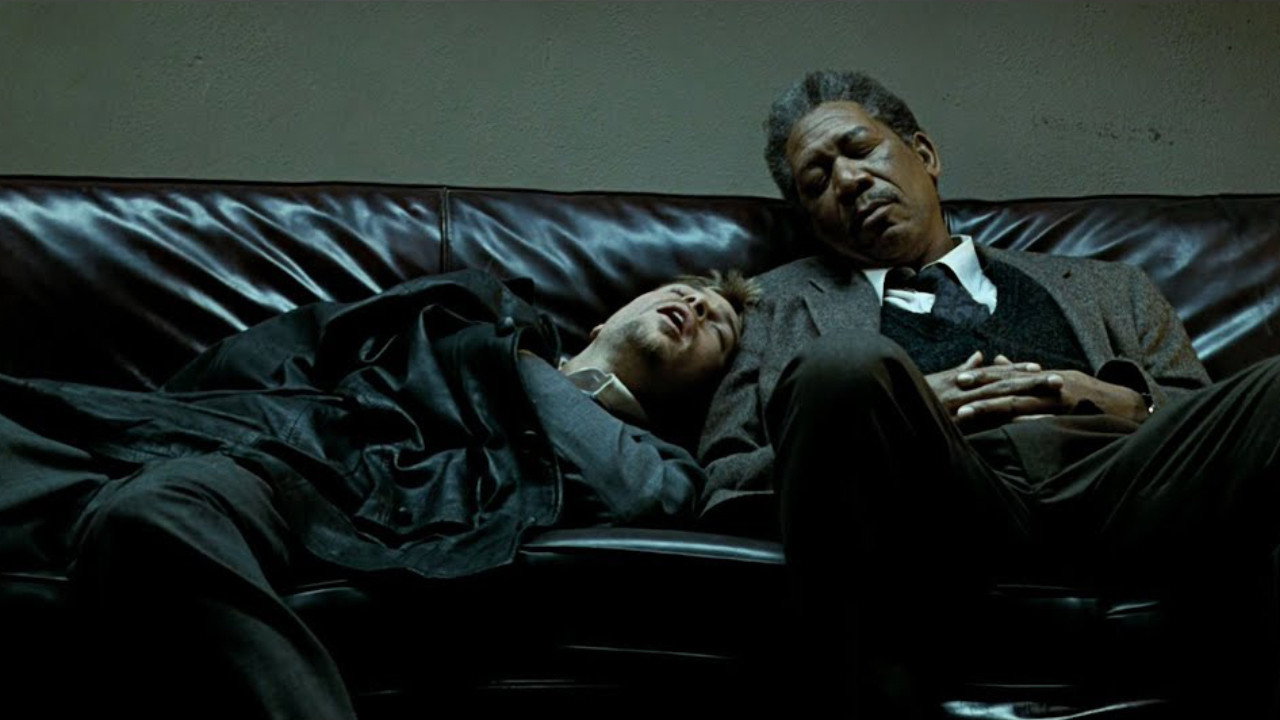
For sheer directorial craft, there are few people working today who can match David Fincher. And yet he describes his own process as “not what I do, but what I don’t do.” Join me today in answering the question: What does David Fincher not do?
12The Silence of the Lambs - Who Wins the Scene?
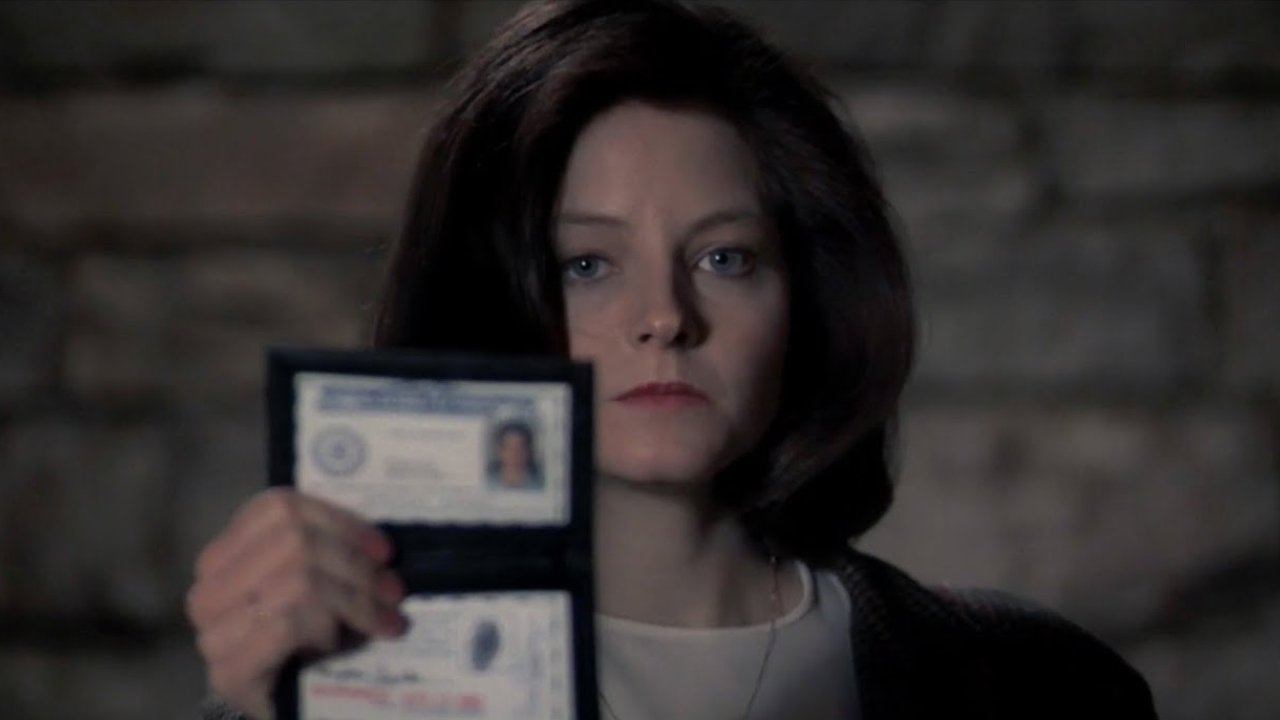
In drama, two characters walk into a room. Each wants something from the other. The question of the scene is: who gets what they want?
13Snowpiercer - Left or Right
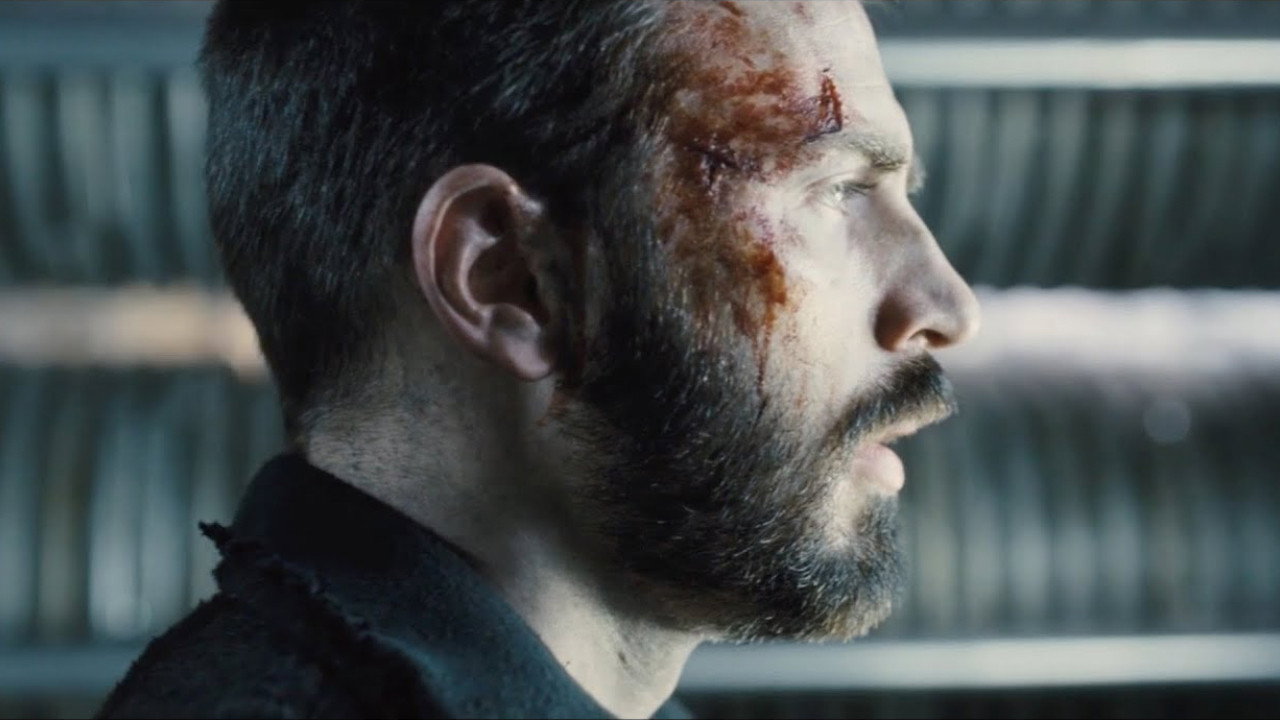
Characters make choices which they cannot take back. The question is: how do you show it visually? Here’s one solution from Snowpiercer. Warning: SPOILS ENTIRE FILM.
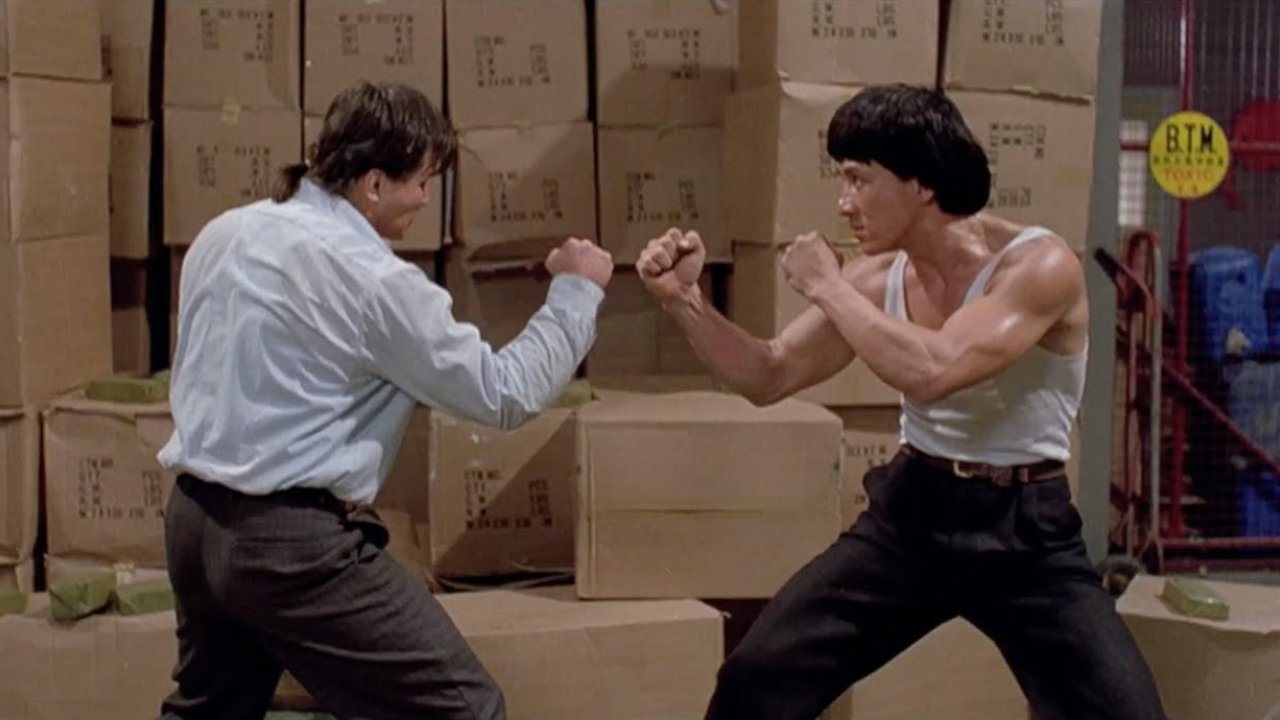
14Jackie Chan - How to Do Action Comedyfinale
Some filmmakers can do action. Others can do comedy. But for 40 years, the master of combining them has been Jackie Chan. Let’s see how he does it. The 9 Principles of Action Comedy 1. Start with a DISADVANTAGE 2. Use the ENVIRONMENT 3. Be CLEAR in your shots 4. Action & Reaction in the SAME frame 5. Do as many TAKES as necessary 6. Let the audience feel the RHYTHM 7. In editing, TWO good hits = ONE great hit 8. PAIN is humanizing 9. Earn your FINISH